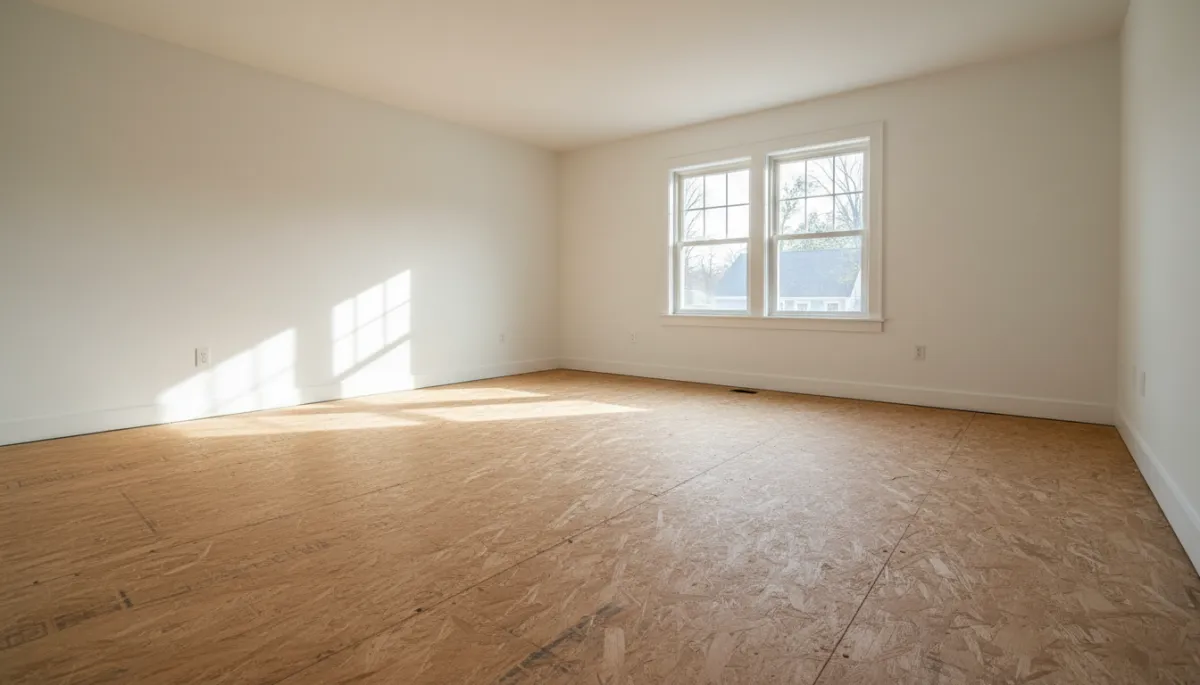
Floor Removal in Leominster, MA: Costs & Process
Floor removal in Leominster, MA typically costs between $1.00 and $5.00 per square foot depending on the existing flooring material, with ceramic tile at the higher end and carpet at the lower end. JRC Professional Flooring Corp handles complete floor removal and disposal as part of full-service flooring installation projects throughout Leominster, Massachusetts and surrounding communities. Most single-room jobs covering 200 to 400 square feet are completed in half a day to one full workday.
Whether you are replacing carpet with vinyl plank, pulling out decades-old tile before a kitchen renovation, or removing glue-down hardwood that has seen better days, understanding what floor removal involves helps you plan your budget and timeline with accuracy. This guide covers costs by material type, the removal process from start to finish, and the subfloor questions most homeowners only think to ask after work has already started.
How Much Does Floor Removal Cost in Leominster, MA?
The cost of floor removal varies by material, total square footage, and what is found beneath the surface once work begins. Industry benchmarks for labor-only removal run approximately $0.50 to $1.50 per square foot for carpet, $1.00 to $2.50 per square foot for floating vinyl or laminate, and $3.00 to $5.00 per square foot for mortar-set ceramic or porcelain tile. These ranges cover labor only — disposal fees, adhesive remediation, and any subfloor repairs uncovered during removal are typically itemized separately.
What Factors Raise or Lower the Price
Several variables affect total removal cost for a Leominster home:
- Hardened adhesive or mortar layers requiring grinding or chemical treatment
- Asbestos-containing materials in homes built before 1980 — floor tiles and mastic adhesive from that era may contain asbestos, which requires licensed abatement before any standard removal work can proceed
- Number of rooms and total square footage
- Furniture relocation requirements and access constraints
- Municipal disposal fees, which vary across Worcester County communities
Is Floor Removal Typically Included with Installation?
Many professional flooring contractors in Massachusetts bundle floor removal, disposal, and subfloor inspection as a single line item within a full installation estimate. When receiving a quote, confirm explicitly whether these items are included or billed as add-ons — the difference can affect total project cost by several hundred dollars on a mid-size job. For a detailed breakdown of what full installation pricing looks like locally, see our guide to flooring installation cost in Leominster, MA.
What Types of Flooring Are the Hardest to Remove?
Not all flooring comes up the same way, and the difficulty of removal directly affects both the time and cost of the project. Carpet is generally the most straightforward — pulled up in strips with tack strips removed individually around the perimeter. Nail-down or staple-down hardwood requires prying boards up one at a time and addressing the fasteners left behind. Ceramic and porcelain tile bonded with thinset mortar is consistently the most labor-intensive, since tiles must be broken or pried off and the mortar bed ground down before any new floor can go in.

Vinyl Plank and Glue-Down Products
Glue-down vinyl plank (LVT/LVF) presents a specific challenge common in Central Massachusetts homes renovated during the 1990s and 2000s. The adhesive in older installations becomes brittle over time and leaves a residue on the subfloor that must be scraped and sanded smooth before new flooring will lay flat. Floating click-lock LVP, by contrast, lifts off quickly since no adhesive is involved. Knowing whether your existing vinyl is glued down or floating before scheduling an estimate can shift the removal cost projection meaningfully.
What Does the Floor Removal Process Actually Look Like?
A standard floor removal at a Leominster residence follows a predictable sequence. The room is first cleared of furniture and all transition strips, thresholds, and baseboard moldings are removed. The existing flooring is detached from its edges and removed in sections across the room, with underlayment or padding pulled up directly behind it. Once the field is clear, any remaining fasteners, adhesive residue, and subfloor debris are addressed before the surface is inspected.
Key Insight: The condition of the subfloor revealed after removal is the most important discovery of the entire project. In older Leominster homes — particularly those built before 1970 — water damage, soft spots, or the effects of prior improper repairs are uncovered during this step more often than homeowners expect. Identifying these issues at the removal stage, before new flooring is installed, protects the full investment.
After removal, the contractor measures the subfloor for flatness — most flooring products require the surface to be within 3/16 inch over a 10-foot span — and checks for moisture and structural integrity before determining whether installation can proceed or whether subfloor preparation is needed first.
If you are planning a flooring project in Leominster or nearby communities such as Fitchburg, Westminster, or Sterling, MA, JRC Professional Flooring Corp provides on-site estimates that include a full evaluation of your existing floor and subfloor condition. Call +1 978-951-3757 or schedule your appointment at https://api.flowpartner.com.br/widget/bookings/jrcprofessional.
Does Floor Removal Always Lead to Subfloor Work?
Floor removal frequently reveals subfloor conditions requiring additional attention before new flooring can go down. In Central Massachusetts, seasonal humidity swings — from the dry cold of a Leominster winter to the more humid summers common across Worcester County — cause subfloor panels to swell, warp, or develop soft spots over time, particularly in older construction. In homes older than 20 to 25 years, a significant share of floor removal projects uncover at least minor subfloor conditions requiring repair before installation.
Common Subfloor Issues Found After Removal
The most frequent issues discovered during floor removal in Massachusetts homes include:
- Swollen or delaminated plywood panels caused by past moisture exposure
- Squeaky or loose sections where subfloor panels have separated from joists
- Low or high spots that exceed the flatness tolerance for the intended new flooring material
- Exposed nail heads or staples from prior installations that require hammering flush or extraction
Addressing these conditions before installation is not optional for a quality result. Skipping subfloor preparation is the most common cause of squeaks, gaps, and premature surface wear in new floors within the first few years. For a complete explanation of what subfloor work involves and why it matters, see our guide to subfloor preparation for flooring in Leominster, MA.
How Long Does Floor Removal Take in a Typical Central Massachusetts Home?
Timeline depends on material type and total square footage. General industry benchmarks for residential projects:
- Carpet removal: typically half a day for a standard room of 200 to 400 sq ft
- Vinyl or laminate (floating): usually half a day to one full day for the same area
- Ceramic tile: often one to two full days per room, depending on adhesive condition
- Multi-room projects: generally two to four days total for full-home removal across 1,200 to 2,000 sq ft
These benchmarks assume standard conditions. Glued-down materials, the presence of asbestos-containing products requiring licensed abatement, or significant subfloor damage found during removal can extend the timeline beyond these estimates.
How Floor Removal Fits Into the Overall Installation Timeline
For homeowners in Leominster coordinating a full flooring project, the complete sequence typically runs as follows: estimate and material selection take one to two weeks, ordering and delivery take one to three weeks depending on product availability, removal and subfloor preparation require one to three days, installation takes one to five days based on scope, and final trim and finishing add an additional day. From first contact to a completed floor, most residential projects run four to eight weeks total.
Should You Remove Old Flooring Before Winter in Massachusetts?
Timing a floor replacement project ahead of the Massachusetts winter carries practical advantages for certain flooring types. Hardwood and engineered wood products must acclimate to the home's indoor temperature and humidity before installation — a process that is easier to manage before heating systems drive indoor relative humidity well below 30 percent, common in Leominster homes during January and February. Completing removal and installation in fall means acclimation happens under more stable indoor conditions.
What About Summer Installations?
Higher humidity during Worcester County summers can cause hardwood products to expand slightly during acclimation, which must be accounted for in installation spacing. Vinyl plank and ceramic tile are far less sensitive to seasonal humidity variation and can be installed year-round without the acclimation considerations that apply to wood products. For a full comparison of how these materials perform in New England conditions, see our guide to vinyl plank vs. hardwood flooring in Leominster, MA.

Frequently Asked Questions About Floor Removal in Leominster, MA
Do I need a permit to remove and replace flooring in Massachusetts?
In most residential flooring replacement projects in Leominster, a building permit is not required when work involves surface flooring only and does not alter the structural floor system — the joists and framing. Cosmetic replacement of carpet, vinyl, hardwood, or tile typically falls under routine home maintenance. If the project includes structural subfloor repairs or changes to floor framing, check with the City of Leominster's Building Department before starting. Your contractor should be able to advise you on permit requirements based on the full scope of the project.
What happens to the old flooring material after it is removed?
Removed flooring materials are hauled away and disposed of by the contractor as part of the removal scope. Ceramic tile and mortar debris go to construction and demolition waste facilities. Carpet is recycled or landfilled depending on condition, and some hardwood flooring in good shape can be salvaged. Before work starts, confirm with your contractor whether disposal is included in the estimate — most full-service installers include it as part of the project price.
How do I know if my floor has asbestos before removal starts?
Homes in Leominster built before 1980 may contain asbestos in floor tiles — particularly 9-inch and 12-inch vinyl or asphalt composition tiles — and in the mastic adhesive beneath them. If your home dates to that era and still has original tile, have a certified inspector test the material before any removal work begins. Licensed asbestos abatement must be completed before a standard flooring contractor can safely proceed. This is a separate, preceding step and falls outside the scope of a standard flooring installation contract.
Can I remove the old flooring myself to reduce cost?
DIY removal is feasible for carpet and floating click-lock vinyl plank — these materials come up without specialized tools and at low risk to the subfloor. Glued-down vinyl, ceramic tile, and nail-down hardwood are more difficult and risk gouging or delaminating the subfloor if handled incorrectly. An uneven or contaminated subfloor left by improper DIY removal often adds more to the preparation cost than the savings justified. For tile or any adhesive-bonded product, professional removal is generally recommended to protect the substrate.
How much does floor removal cost for a typical Leominster, MA house?
For a single-family home replacing 1,000 to 1,500 square feet of living-area flooring, removal costs generally range from approximately $1,000 to $5,000 depending on the existing material. Carpet-only removal sits toward the lower end; full-home ceramic tile removal with adhesive remediation approaches the higher end. These are general industry benchmarks — actual pricing requires an on-site assessment of your specific floor type, condition, and total square footage.
Does JRC Professional Flooring Corp handle floor removal as a standalone service?
Floor removal is performed by JRC Professional Flooring Corp as part of a full flooring installation project. If you are planning a complete replacement — removing the existing floor and installing new material — removal is included in the project scope. For questions about your specific situation, contact the team directly at +1 978-951-3757.
Schedule Your Floor Removal Estimate in Leominster, MA
Knowing exactly what is under your existing floors is the starting point for every successful flooring project. JRC Professional Flooring Corp assesses the existing material, subfloor condition, and full scope of work during the on-site estimate appointment, giving you a clear picture of what removal involves, what comes next, and what the total project will cost.
JRC Professional Flooring Corp serves Leominster, Fitchburg, Westminster, Sterling, and communities throughout Central Massachusetts. To book your estimate, call +1 978-951-3757 or schedule online at https://api.flowpartner.com.br/widget/bookings/jrcprofessional. For more information on services and materials, visit lp.jrcflooringma.com.